
...
...

Leave your contact details and our
consultant will contact you
new version - DrufelCNC 1.20


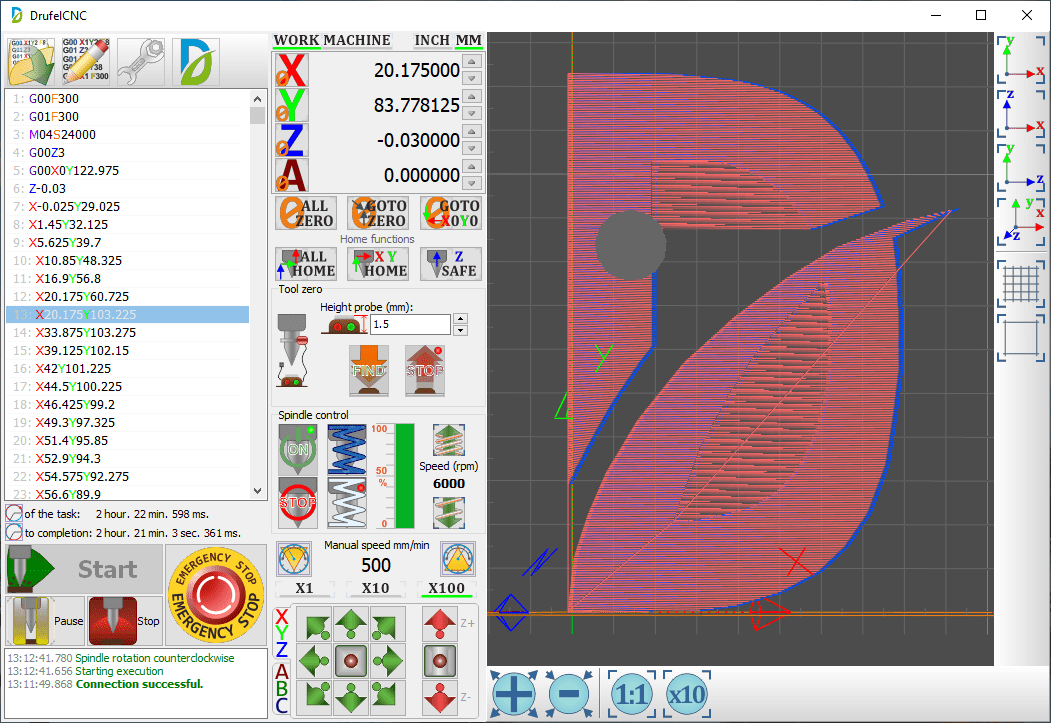
Main window
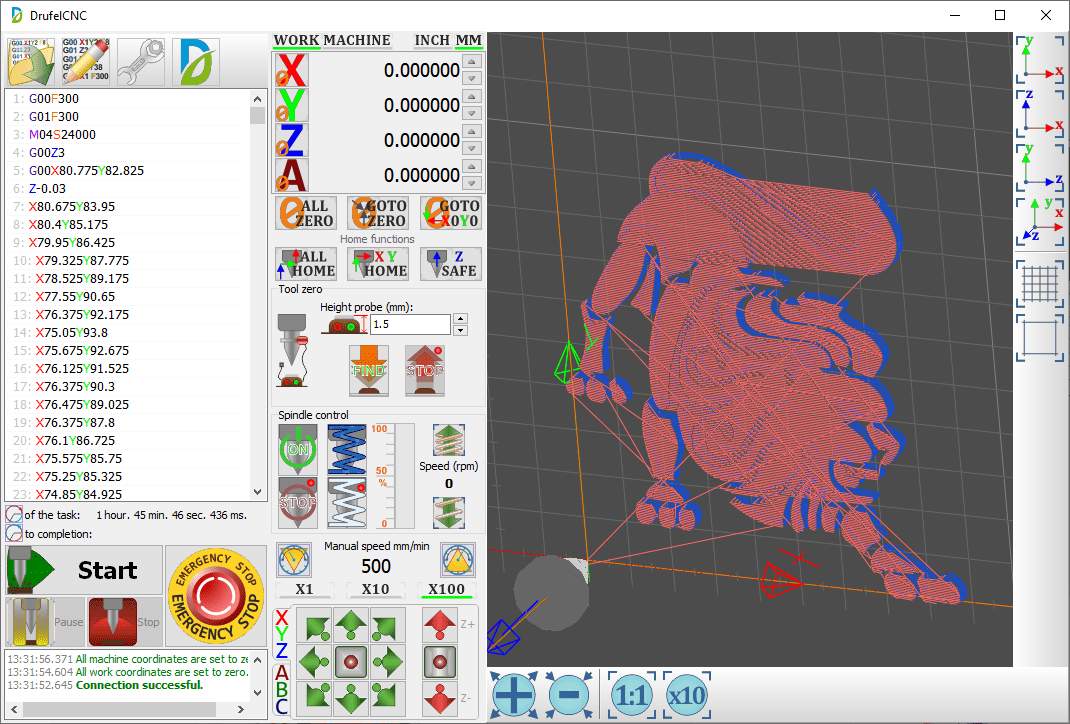
Main window 3D model
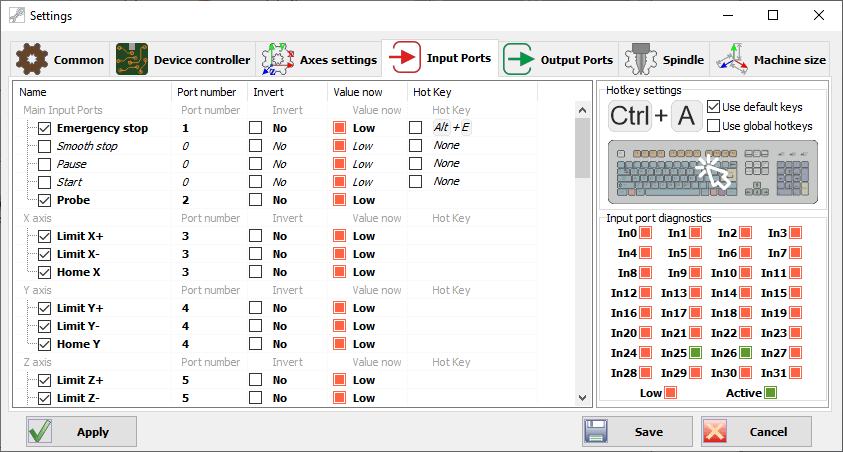
Common settings
Controllers settings
Axes settings
Input ports
Output ports
Spindle
Machine size
Manual control ABC
Tool zero
View the XY plane in 3D
View the XZ plane in 3D
View the ZY plane in 3D
View in 3D
This historical tension has shaped the ambivalent relationship between the trans community and the broader LGBTQ culture for decades. The “LGB” and the “T” are united by a common enemy: a heteronormative and cisnormative society that punishes deviations from assigned sex and prescribed gender roles. A gay man and a trans woman may both face violence for defying societal expectations of masculinity. Yet, their core struggles are distinct. Gay and lesbian rights have historically focused on the right to love and partner with a person of the same sex—a fight for marriage equality, adoption rights, and military service. Transgender rights, conversely, center on the fundamental right to exist as one’s authentic self—access to healthcare (hormones, surgery), legal recognition of name and gender marker changes, freedom from employment and housing discrimination based on gender identity, and safety in using gender-appropriate restrooms. While same-sex marriage was a symbolic and practical victory for LGB communities, the trans community’s parallel fight for bodily autonomy and legal existence remains a more fraught and less understood frontier.
Within LGBTQ+ culture, this distinction is vital. A transgender person can be gay, straight, bisexual, or asexual. By including the transgender community, the LGBTQ+ movement acknowledges that liberation requires dismantling both "heteronormativity" (the assumption that everyone is straight) and "cisnormativity" (the assumption that everyone identifies with the sex they were assigned at birth). Cultural Contributions and Language
One crisp autumn evening, Jamie stumbled upon a flyer for "Pride and Unity," a gathering organized by the local LGBTQ community center. The event aimed to bring together individuals from all walks of life to celebrate diversity and promote understanding. Intrigued and hopeful, Jamie decided to attend.
This historical tension has shaped the ambivalent relationship between the trans community and the broader LGBTQ culture for decades. The “LGB” and the “T” are united by a common enemy: a heteronormative and cisnormative society that punishes deviations from assigned sex and prescribed gender roles. A gay man and a trans woman may both face violence for defying societal expectations of masculinity. Yet, their core struggles are distinct. Gay and lesbian rights have historically focused on the right to love and partner with a person of the same sex—a fight for marriage equality, adoption rights, and military service. Transgender rights, conversely, center on the fundamental right to exist as one’s authentic self—access to healthcare (hormones, surgery), legal recognition of name and gender marker changes, freedom from employment and housing discrimination based on gender identity, and safety in using gender-appropriate restrooms. While same-sex marriage was a symbolic and practical victory for LGB communities, the trans community’s parallel fight for bodily autonomy and legal existence remains a more fraught and less understood frontier.
Within LGBTQ+ culture, this distinction is vital. A transgender person can be gay, straight, bisexual, or asexual. By including the transgender community, the LGBTQ+ movement acknowledges that liberation requires dismantling both "heteronormativity" (the assumption that everyone is straight) and "cisnormativity" (the assumption that everyone identifies with the sex they were assigned at birth). Cultural Contributions and Language
One crisp autumn evening, Jamie stumbled upon a flyer for "Pride and Unity," a gathering organized by the local LGBTQ community center. The event aimed to bring together individuals from all walks of life to celebrate diversity and promote understanding. Intrigued and hopeful, Jamie decided to attend.


Copyright 2026, Dynamic Cabin
 DrufelCNC Installer 32-bit













 5 000 lines of G-code
 No technical support