
From the chilling echoes of a fictional haunted village to the comedic chaos of Southeast Asian middle-class families, Indonesian entertainment is no longer just a domestic affair—it is a rising tide in the global creative economy.

From the dangdut stage to the streaming top ten, Indonesia has learned a crucial lesson: You don't need to imitate global culture to conquer it. You just have to be loud, proud, and Khas (distinctly Indonesian).

In cafes, on the train, during family dinners—teens are grinding ranks. The Indonesian Mobile Legends pro scene is one of the most ferocious in the world, and the game has spawned its own celebrities, fashion trends, and even relationship dynamics (if your partner steals your buff, that's grounds for a breakup).

(puppeteer) manipulated the leather figures against a backlit screen, Rama realized that the storytelling wasn't so different from the superhero movies he loved.

As Indonesia continues to grow and modernize, its entertainment and popular culture will undoubtedly evolve. The industry is becoming increasingly professionalized, with better production values and more diverse storytelling. There is also a growing emphasis on exporting Indonesian culture to the world, as seen in the success of its films and music on the international stage.

The roots of modern Indonesian pop culture lie in its struggle to forge a national identity. In the post-independence era, President Sukarno famously banned "Western-style" rock and roll, deemed a decadent influence. In its place, a distinct national sound emerged. Dangdut , a genre blending Hindustani, Malay, and Arabic orchestration with a thumping drumbeat, became the music of the masses. Fronted by charismatic singers like Rhoma Irama, dangdut spoke to the working class and addressed social issues, becoming a powerful, homegrown counterpoint to Western pop. This pattern—absorbing external influences and recontextualizing them for local sensibilities—became the engine of Indonesian popular culture. The same process occurred in cinema, with directors like Usmar Ismail creating films that moved away from colonial narratives to explore modern Indonesian life, albeit often viewed through a nationalist lens.

WELCOME TO THE CHEAP BEATS

Bokep Indo Nia Irawan Cantik Omek 03 Bokepse Hot Jun 2026

From the chilling echoes of a fictional haunted village to the comedic chaos of Southeast Asian middle-class families, Indonesian entertainment is no longer just a domestic affair—it is a rising tide in the global creative economy.

From the dangdut stage to the streaming top ten, Indonesia has learned a crucial lesson: You don't need to imitate global culture to conquer it. You just have to be loud, proud, and Khas (distinctly Indonesian). bokep indo nia irawan cantik omek 03 bokepse hot

In cafes, on the train, during family dinners—teens are grinding ranks. The Indonesian Mobile Legends pro scene is one of the most ferocious in the world, and the game has spawned its own celebrities, fashion trends, and even relationship dynamics (if your partner steals your buff, that's grounds for a breakup). From the chilling echoes of a fictional haunted

(puppeteer) manipulated the leather figures against a backlit screen, Rama realized that the storytelling wasn't so different from the superhero movies he loved. In cafes, on the train, during family dinners—teens

As Indonesia continues to grow and modernize, its entertainment and popular culture will undoubtedly evolve. The industry is becoming increasingly professionalized, with better production values and more diverse storytelling. There is also a growing emphasis on exporting Indonesian culture to the world, as seen in the success of its films and music on the international stage.

The roots of modern Indonesian pop culture lie in its struggle to forge a national identity. In the post-independence era, President Sukarno famously banned "Western-style" rock and roll, deemed a decadent influence. In its place, a distinct national sound emerged. Dangdut , a genre blending Hindustani, Malay, and Arabic orchestration with a thumping drumbeat, became the music of the masses. Fronted by charismatic singers like Rhoma Irama, dangdut spoke to the working class and addressed social issues, becoming a powerful, homegrown counterpoint to Western pop. This pattern—absorbing external influences and recontextualizing them for local sensibilities—became the engine of Indonesian popular culture. The same process occurred in cinema, with directors like Usmar Ismail creating films that moved away from colonial narratives to explore modern Indonesian life, albeit often viewed through a nationalist lens.

GONE WITH THE WIND – BUT FOUND

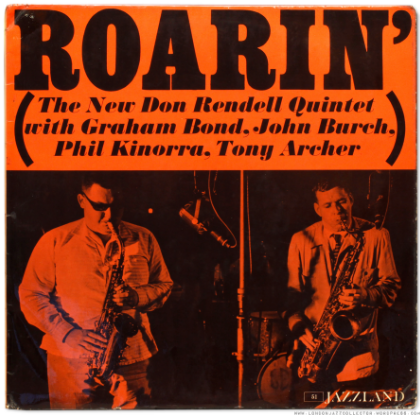
One of the problems of running The Rare Record Club is the ones that got away. One of my greatest ambitions was to put the classic Rendell-Carr Quintet albums Shades Of Blue and Dusk Fire back onto the black stuff. Sadly, this was thwarted by the company that owns this material declining to license them. As many readers will know, these albums issu…

PSYCHAMERIICA PARTT 2

The influence of hallucinogenic drugs had begun to be felt in ultra-hip musical circles from the start of the 60s, but it wasn’t until 1965 that it became explicit. Future Doors drummer John Densmore (see interview, page 54) joined a band named The Psychedelic Rangers that spring, ubiquitous Hollywood scenester Kim Fowley released his The Tri…

Luke Haines

As a younger fellow, I used to quite like the idea of subversion and (hushed tone) transgression in pop music. These days I’m not so bothered. I’m not sure that pop music has ever been particularly subversive. Has it ever had a corrupting effect, though? Yep. As a lower middle-class dweller (old skool class definitions here only) I am happy to …

bokep indo nia irawan cantik omek 03 bokepse hot
Diamond Publishing Ltd., 7th Floor, Vantage London, Great West Road, Brentford, TW8 9AG.
Registered in England. Company No. 04611236