Yes, JForex is designed for traders of all levels, from beginners to professionals. However, potential users should understand the risks involved in trading and consider their experience level and investment objectives.
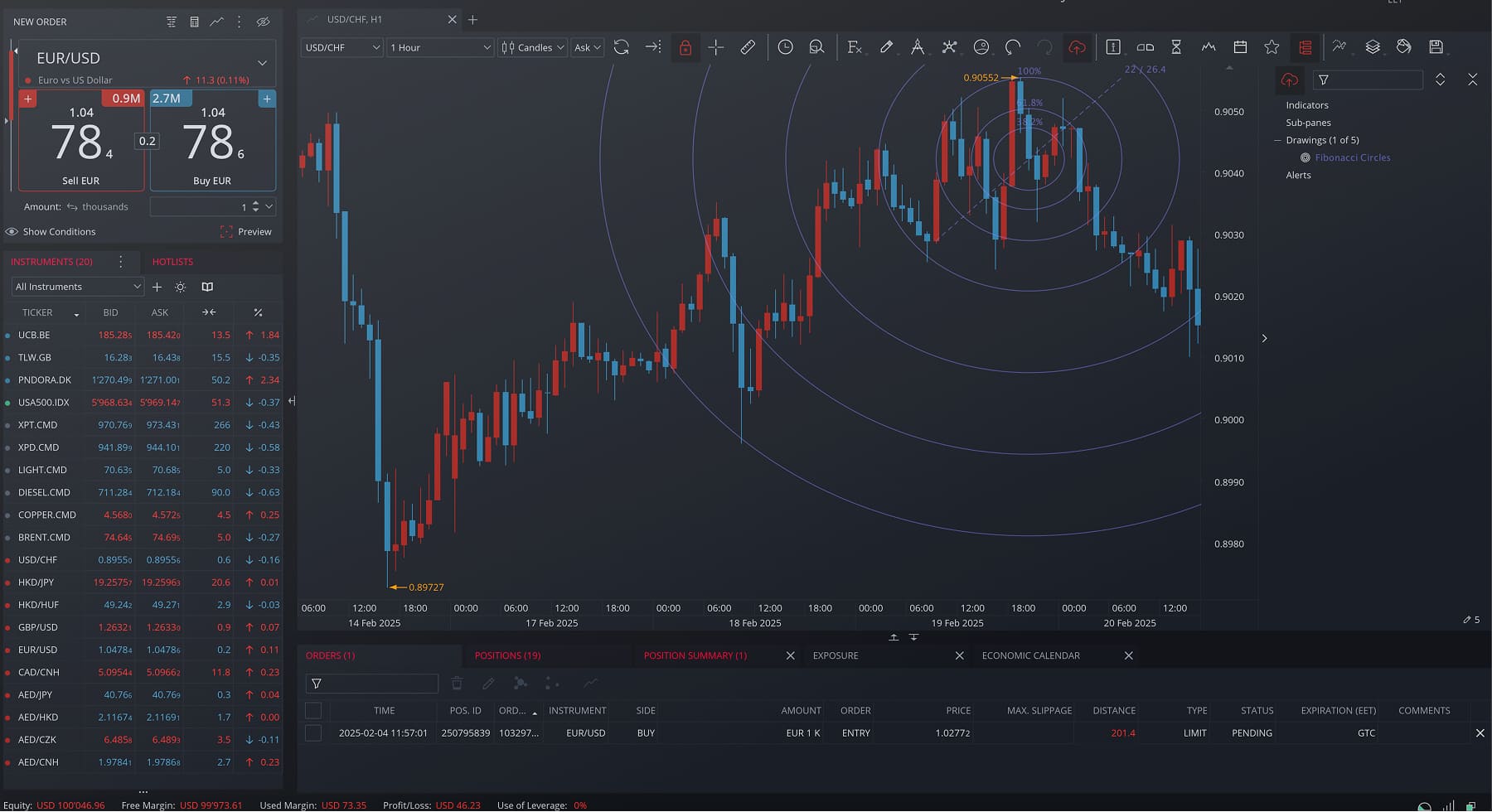


The JForex white-label solution is available to regulated financial institutions, such as banks and brokers. It provides a full range of trading and technical analysis tools, dedicated reporting, and expert advisors. It also includes all necessary features to satisfy regulatory requirements in different jurisdictions.
To upgrade data from Tally 5.4 or 7.2 to the latest TallyPrime (current release 5.0 or 6.0), you must follow a mandatory two-step migration process as direct migration is not supported. The Migration Roadmap Step 1: Legacy to Tally.ERP 9 Tool Required : You must use the standalone tally72migration.exe tool. Process : Copy your Tally 5.4/7.2 data folder into the Tally.ERP 9 data directory. Run tally72migration.exe . Select Migrate Data , point it to your data directory, and follow the prompts to "Rewrite" and "Migrate". This converts your data into the Tally.ERP 9 format. Step 2: Tally.ERP 9 to TallyPrime Process : Open TallyPrime and select the company folder you just converted. TallyPrime will detect the older version and prompt you to Migrate . Verification : Review the Migration Summary Report to ensure all masters and vouchers moved correctly. Paper Draft: Modernizing Legacy Tally Ecosystems Title: A Technical Framework for Migrating Legacy Tally 5.4/7.2 Data to TallyPrime Release 5.0 Abstract: This paper outlines the procedural necessity of a multi-stage migration for businesses operating on legacy Tally versions (5.4, 6.3, 7.2). It details the technical transition from 16-bit/early 32-bit architecture to the modern, 64-bit TallyPrime environment, focusing on the latest Release 5.0 features. 1. Introduction With the release of TallyPrime 5.0 in late 2024, businesses can leverage "Connected GST" for direct portal filing. However, data residing in versions older than Tally.ERP 9 requires a bridge migration to maintain data integrity. 2. The Bridge Migration Methodology Architectural Barriers: Direct jumps are restricted because legacy data structures are incompatible with TallyPrime's advanced database management system. The Tally.ERP 9 Intermediary: Tally.ERP 9 serves as the vital translation layer. The use of tally72migration.exe is required to rebuild internal tables and fix inconsistencies before the final upgrade. 3. Enhancements in TallyPrime 5.0/6.0 Once migrated, users gain access to: Connected GST: Direct GSTR-1 and GSTR-3B filing without leaving the software. Stripe View: Alternating row colors in reports for improved readability. TDS Automation: Automated Section 194Q compliance for large purchases. TallyDrive (Cloud): A 2026-era tool for scheduling cloud backups and real-time data syncing. How to Migrate Data of Tally 5.4, 6.3 & 7.2 to Latest Release
Migrating data from legacy versions like Tally 5.4 to modern standards like Tally 7.2 (and eventually TallyPrime) is essential for maintaining tax compliance and accessing advanced reporting features. While "Tally 7.2" was a landmark release that introduced integrated tax modules for VAT and TDS, current business requirements typically necessitate a path toward TallyPrime , the current industry standard. The Migration Roadmap: Tally 5.4 to Modern Releases Direct migration from Tally 5.4 to the latest TallyPrime versions is not supported. Instead, users must follow a phased approach using specialized conversion tools. Step 1: Convert Tally 5.4 to Tally 7.2 Format To move from version 5.4, you must first bring your data to the Tally 7.2 format. The Tool : You need the legacy migration utility, often found in older Tally installation folders or via Tally Solutions Support . Process : Create a complete backup of your 5.4 data folder. Extract the migration utility into your Tally folder. Run the utility to rewrite the data into a 7.2-compatible format. Verify the migration by checking the migration.err log file for any data inconsistencies. Step 2: Migrate from 7.2 to Tally.ERP 9 Once your data is in 7.2 format, you use the tally72migration.exe tool to bridge the gap to Tally.ERP 9. Launch the Tool : Run tally72migration.exe from the Tally.ERP 9 installation folder. Select Data : Point the tool to your converted 7.2 data directory and select your company. Finalize : Confirm the "Migrate?" prompt. Upon completion, your company folder will be renamed with an additional '0' (e.g., folder 1000 becomes 01000 ). Step 3: Move to TallyPrime (The Final Update) The latest TallyPrime releases can automatically detect and migrate data once it has reached the Tally.ERP 9 stage. How to Migrate Data of Tally 5.4, 6.3 & 7.2 to Latest Release
Tally 5.4 Data Converter to Tally 7.2: A Complete Migration Guide Migrating data from legacy versions of Tally like Tally 5.4 is a critical step for businesses looking to leverage modern features in TallyPrime . Because Tally 5.4 is nearly three decades old, direct conversion to the latest software is not possible. Instead, you must follow a multi-stage migration path that starts by converting your data to Tally 7.2 format. The Mandatory Migration Path To successfully move data from Tally 5.4 to the most recent version of Tally (TallyPrime), you must follow this sequential bridge: Tally 5.4/6.3 → Tally 7.2 (Re-writing/Conversion) Tally 7.2 → Tally.ERP 9 (Using Migration Utility) Tally.ERP 9 → TallyPrime (Internal Migration) Step 1: Converting Tally 5.4 Data to Tally 7.2 The first step involves making your old DOS/Windows-based 5.4 data compatible with the 7.2 format. Backup Your Data : Always create a full backup of your company from the Tally 5.4 "Company Info" screen before starting. Use Tally 7.2 to Restore : Open Tally 7.2 (even in Educational Mode) and use the "Restore" function to bring in your 5.4 backup. The Rewrite Process : Select the restored company in Tally 7.2. The system will detect the older format and prompt you to Rewrite the data. Select Yes to update the data structure to 7.2. Tip: If the prompt doesn't appear, you can manually trigger it by pressing Ctrl + Alt + R on the company selection screen. Step 2: Migrating from Tally 7.2 to Tally.ERP 9 Once your data is in 7.2 format, you need the Tally Data Migration Tool ( tally72migration.exe ) to move it into the Tally.ERP 9 environment. How to Migrate Data of Tally 5.4, 6.3 & 7.2 to Latest Release
Migrating data from Tally 5.4 to Tally 7.2 (or higher versions like Tally.ERP 9 and TallyPrime) requires an intermediary conversion process. Because older versions of Tally use a legacy data structure, you must use a dedicated migration tool— tally72migration.exe —to bridge the gap. 1. Preparation and Prerequisites Before starting, ensure you have the following ready to avoid data loss: Complete Backup : Always create a copy of your original Tally 5.4 data folder (usually a four-digit folder like 0001 ). Migration Tool : Download the tally72migration.exe utility from the official Tally Solutions support page . Tally.ERP 9 Environment : The migration tool typically requires Tally.ERP 9 to be installed on the same system to function as the host for the conversion process. 2. The Conversion Process (Step-by-Step) To convert Tally 5.4 data into a format compatible with newer versions (effectively moving it "through" Tally 7.2 logic): Placement : Copy your Tally 5.4 company folder into the Data folder of your Tally.ERP 9 installation. Launch Utility : Double-click tally72migration.exe from the Tally.ERP 9 installation directory. This will launch the Tally Data Migration Tool and Tally.ERP 9 simultaneously. Select Data : In the tool window, choose Migrate Data . Define Path : Enter the directory path where your company data is located. Select the company name from the list. Confirm Rewrite : Press Enter when asked "Rewrite?". Confirm "Backup before rewriting?" if you haven't manually backed up yet. Execute : Press Enter on the "Migrate?" prompt. The tool will begin processing vouchers and masters. Verify : Once complete, a "Migration Completed" message will appear. You should check the Statistics to ensure all transactions have been carried forward. 3. Post-Migration Results How to Migrate Data of Tally 5.4, 6.3 & 7.2 to Latest Release tally 54 data converter to tally 72 updated
Migrating data from Tally 5.4 to modern versions requires a multi-step bridging process, utilizing the tally72migration.exe tool to move data to Tally 7.2 or Tally.ERP 9 before upgrading to TallyPrime. Key steps include backing up data, running the migration utility, converting the data structure, and finally upgrading within TallyPrime. For a detailed guide on the migration process, visit TallyHelp . How to Migrate Data of Tally 5.4, 6.3 & 7.2 to Latest Release
Since you didn't specify an author or a specific link, I assume you are referring to the migration and technical challenges involved in moving from Tally.ERP 9 (often associated with Release 54 in later builds) to TallyPrime 3.0 (which supports the Tally 72 data format). While there may not be a famous academic paper with that exact title, the "paper" or documentation regarding this conversion is a critical topic for accountants and Tally developers. Here is an analysis of the "Tally 54 to 72 Data Converter" update, broken down into the technical significance, the changes involved, and the conversion process.
Executive Summary: The Shift from 54 to 72 In the Tally ecosystem, the internal data structure version is denoted by a number. To upgrade data from Tally 5
Tally 54: Refers to the data structure used by Tally.ERP 9 (specifically later releases like Series B). It represents a stable, legacy architecture focused on accounting and inventory. Tally 72: Refers to the data structure introduced with TallyPrime 3.0 . This represents a significant architectural shift to support modern compliance (e-Invoicing, GST changes) and a new UI engine.
The "converter" is not just a simple file update; it is a structural migration tool built into TallyPrime that re-indexes and re-writes the internal database to fit the new schema.
Key Technical Changes (Why the Converter is Necessary) The jump from Data Version 54 to 72 was necessary to handle complexities that the legacy Tally.ERP 9 architecture could not support natively. 1. GST and Compliance Overhaul The primary driver for the Tally 72 format was the evolution of the GST regime in India. Run tally72migration
e-Invoicing: Tally 72 natively integrates IRN (Invoice Reference Number) generation and management directly into the voucher tables. e-Way Bills: The data structure now holds specific fields for Part A & Part B of e-Way bills, whereas version 54 relied heavily on external utilities or specific TDL (Tally Definition Language) extensions.
2. Database Schema Optimization
Equity Stop Loss Level
Acts as a comprehensive stop-loss for your entire account value, automatically closing all positions in certain adverse scenarios to limit potential losses.
Stop Orders
Utilize trailing stops and stop-limit orders to protect your investments by setting predefined selling or buying points.
Margin Breakdown
Monitor margin utilization for each instrument to maintain necessary balance and prevent margin calls.
Margin Alerts
Receive customizable alerts for crucial margin changes to react swiftly and effectively to market movements.
Quick Close Positions
Enables rapid closure of all FX and CFD positions, essential for responding quickly to market changes or strategy completion.
Secure Trading Environment
Trade with confidence knowing that our platform adheres to strict security protocols and compliance standards.
Yes, JForex is designed for traders of all levels, from beginners to professionals. However, potential users should understand the risks involved in trading and consider their experience level and investment objectives.
JForex requires an internet connection and a computer with a minimum of 8 GB RAM, a dual-core processor, and Windows 7 (or newer), Mac OS X, or Linux. A reliable internet connection is also recommended for the best trading experience.
JForex itself has no usage fee, but trading costs such as spreads, commissions, and overnight fees may apply. Demo accounts are free of charge.
Yes, JForex is well-suited for both professional and institutional investors, offering robust tools and resources tailored to meet the needs of advanced traders and large-scale investors. Visit our White Label page here.
The Dukascopy Bank ECN White Label initiative enables Banks, Brokerage Companies and financial institutions to easily incorporate spot foreign exchange online trading alongside their existing digital offerings. Trading execution occurs through the SWFX – Swiss Forex Marketplace, among the globe's premier liquidity consolidators. White Label Partners receive consistent revenue from every client transaction.
The White Label Program requires no upfront implementation fees and includes comprehensive guidance along with ongoing assistance. White Label Partners incur no maintenance costs that are directly tied to any component of the technology platform.